
The Ultimate Guide to Banarasi Silk Fabrics: Types & Identification Tips
Banarasi silk fabrics are not just textiles; they are the very essence of Indian heritage and elegance. Woven in the sacred city of Varanasi, these fabrics are renowned for their luxurious texture, intricate zari work, and timeless appeal. For generations, Banarasi silk has symbolized royalty, craftsmanship, and tradition — making it an essential part of every woman’s wardrobe.
At Umashree Sarees, the best Banarasi saree shop in Varanasi, we bring you the finest collection of Banarasi silk fabrics that celebrate the soul of Indian handloom. Whether you’re a bride-to-be, a saree connoisseur, or someone new to ethnic fashion, understanding the types of Banarasi silk fabrics and how to identify them will help you make an informed and meaningful purchase.
What Makes Banarasi Silk So Special?
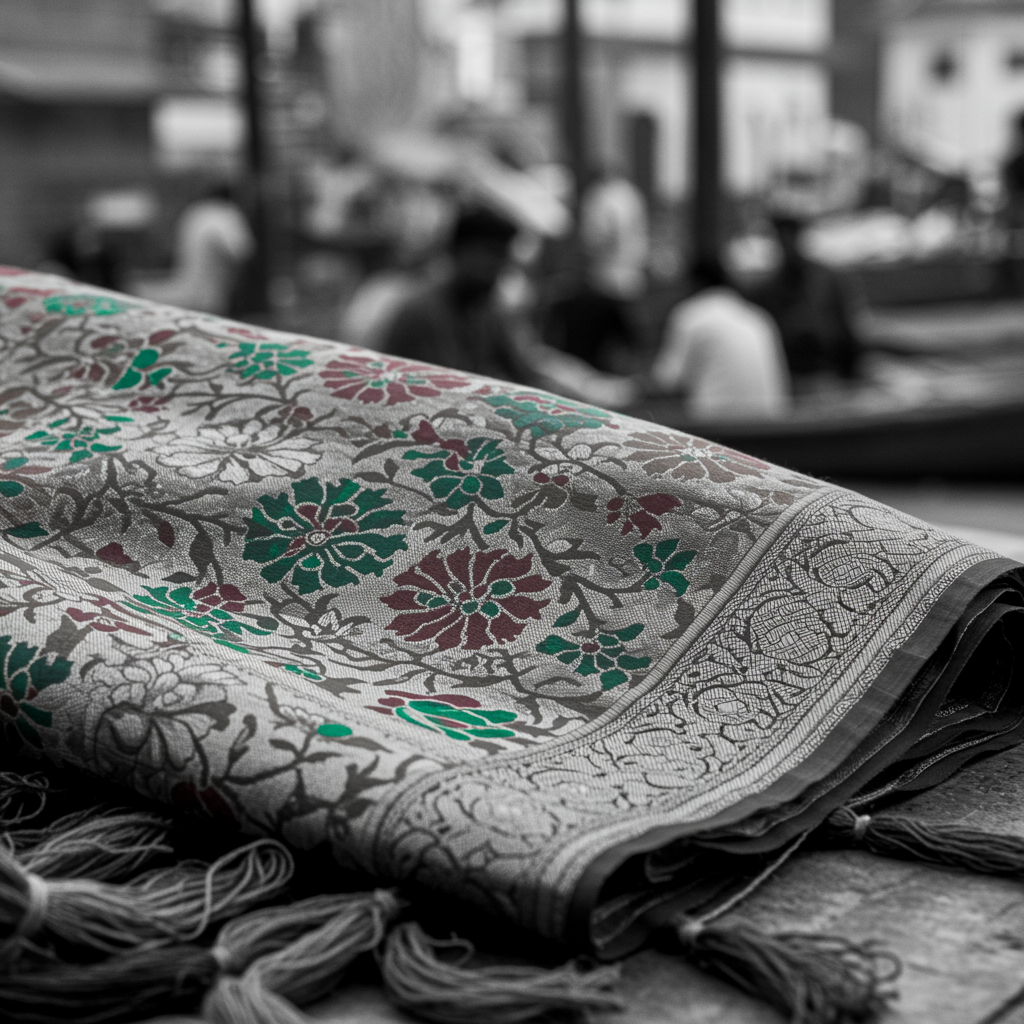
Banarasi silk fabrics are made from finely woven silk and are often adorned with rich embroidery using gold and silver threads, known as zari. The motifs, inspired by Mughal art, include floral patterns (kalga and bel), jhallar borders, and intricate latticework. These fabrics are known for their durability, sheen, and grandeur — making them perfect for weddings, festivals, and heirloom collections.
Major Types of Banarasi Silk Fabrics
There are four main types of Banarasi silk fabrics, categorized based on the base material used:
1. Katan Silk
Katan is pure silk fabric that is woven using filaments of high-quality silk threads. It’s known for its durability, richness, and smooth texture. Katan silk is traditionally used to make Banarasi sarees and lehengas that are lightweight yet luxurious.
How to Identify Katan Silk:
-
Look for a soft, lustrous finish with a tightly woven texture.
-
Pure Katan silk will have a distinct weight and sheen.
-
When rubbed between fingers, real silk gives a warm sensation.
Popular in: Bridal sarees, festive wear, formal occasions.
2. Shattir Silk
Shattir is a relatively modern and versatile fabric used for contemporary Banarasi styles. It is often blended with other fabrics to create unique textures and affordable options for everyday ethnic wear.
How to Identify Shattir Silk:
-
It is lighter than pure silk and often used in printed or semi-formal Banarasi sarees.
-
Has a smooth, slightly coarse feel due to blending.
Popular in: Lightweight sarees, semi-formal attire, daily wear.
3. Organza (Kora) with Zari and Silk
Organza (or Kora) is a sheer, lightweight fabric made from silk and often decorated with zari and brocade work. Banarasi organza is prized for its stiffness, elegance, and transparent texture that gives a sophisticated appeal.
How to Identify Organza Banarasi Silk:
-
Feels slightly crisp to the touch.
-
Transparent with rich zari work that seems to “float” on the fabric.
-
Tends to have floral, geometric, or paisley patterns.
Popular in: Elegant sarees, dupattas, formal ethnic wear.
4. Georgette Banarasi Silk
Georgette is a lightweight, crepe-like fabric that is soft and flowy. When used in Banarasi weaving, it brings together tradition and fluid fashion, ideal for modern women looking for comfort with grace.
How to Identify Georgette Banarasi Silk:
-
Slightly grainy texture with good fall and drape.
-
Often used in party wear sarees and lehengas with sequin, zari, or resham work.
-
More breathable and lighter than Katan silk.
Popular in: Cocktail sarees, designer lehengas, festive outfits.
How to Identify Authentic Banarasi Silk Fabrics
With the market flooded with machine-made imitations, it’s essential to know how to spot the real deal. Here’s how to ensure you’re buying authentic Banarasi silk:
✅ Check the Weave
-
Real Banarasi silk will have slight irregularities in weaving — a hallmark of handloom craftsmanship.
-
Power-loom products are often too perfect.
✅ Look for Zari Detailing
-
Pure zari is made of silver threads coated with gold. Fake zari often fades or looks brassy.
-
Original zari has a soft shine, not a flashy glitter.
✅ GI Tag & Silk Mark
-
Look for the Geographical Indication (GI) tag and Silk Mark India certification on the product.
✅ Ask for the Back Side
-
On genuine handwoven Banarasi silk, you’ll see the threadwork on the reverse side.
-
Machine-made versions are usually plain at the back.
Why Choose Banarasi Silk Fabrics from Umashree Sarees?
At Umashree Sarees, we don’t just sell sarees — we preserve tradition. As a trusted name in Banarasi silk fabrics in Varanasi, we work directly with skilled artisans who have been weaving for generations. When you shop with us, you invest in:
-
Classic handwoven fabrics with traditional designs
-
Premium quality at competitive prices
-
Personalized guidance to help you choose the right fabric
-
A piece of Varanasi’s weaving legacy
Whether you are designing your own outfit or selecting a ready-to-wear Banarasi saree, our in-house experts are here to help you find the perfect fabric that suits your occasion, style, and budget.
Final Thoughts
Banarasi silk fabrics are more than just beautiful textiles — they are living expressions of Indian art, culture, and heritage. Understanding the different types like Katan, Shattir, Organza, and Georgette, and learning how to identify real Banarasi silk empowers you to make authentic and valuable choices.
Explore the richness of tradition with Umashree Sarees, the best Banarasi saree shop in Varanasi, and add timeless elegance to your wardrobe!